Toggl alternative for it support
A Toggl alternative for it support who need usable output, not more cleanup
If Toggl still leaves too much recap work, admin drag, or lost context, this is the pain-first alternative.
Superscribe
Stop rebuilding work after the fact
Use Superscribe to capture the words, context, next steps, and time while the work is still happening.
You solve the incident. The pressure is off. But the work is not done. Now comes the second job: writing the ticket. You piece together the story from terminal history, chat logs, and memory. It is a slow, tedious reconstruction of work you have already completed.
Tools like Toggl are good at one thing: tracking the time you spent. You press start, you press stop. The duration is logged. But the timer does not capture the context, the troubleshooting steps, or the client-facing explanation. The most valuable information-the work itself-still needs to be rebuilt from scratch.
This is the core problem. The timer solves the time sheet, but not the workflow. You are still left with the administrative drag of documenting what you did. If that reconstruction is your biggest bottleneck, you need a different kind of tool. One that captures the work as it happens.
Try it on the real workflow
Turn the next spoken note into finished work
Use Superscribe while the context is still fresh. Speak naturally, keep working, and let the output land where it belongs.
The real gap in incident response
The pain of IT support is not the work itself-it is the documentation that follows. Toggl helps you prove you spent an hour on an issue. It does not help you write the incident report, update the client, or log the resolution steps in your knowledge base.
This is where a Toggl alternative for IT support needs to focus. It must close the gap between doing the work and documenting the work.
| Feature | Toggl | Superscribe |
|---|---|---|
| Time Tracking | Manual start/stop timer | Automatic, based on speech |
| Note Capture | Manual typing in a separate field | Live dictation into any application |
| Context | Relies on memory and manual notes | Captures verbatim troubleshooting steps |
| Core Job | Logs time duration | Captures the work itself |
| Output | A time entry | Structured text, notes, and a time entry |
The difference is fundamental. Toggl asks you to track time as a separate action. Superscribe captures time as a byproduct of you describing your work. It sees the documentation not as a separate step, but as the central act of getting work done.
I built this because I hate rebuilding work
I am Siim, the founder of Superscribe. I built this tool because I got tired of guessing. Not just guessing my hours, but guessing the story behind the hours. I would look through my terminal history, git logs, and Slack messages trying to remember the “why” behind a block of time. The numbers were never right, and the context was always fuzzy. I knew I was losing details and creating cleanup work for myself.
For years, I built different voice tools. Each one taught me something new about turning speech into useful data. When I added automatic time tracking to the main desktop app, I saw the missing piece. The problem was not just about time. It was about capturing the work itself, with all the context, as it happened.
The proof came on a flight. I used the plane’s Wi-Fi to troubleshoot a server issue. I spoke my commands and observations out loud. The words appeared, cleaned up, in my incident log. The time was tracked. The follow-up tasks were created. The system handled the next steps without any input from me after the fact.
That used to be a fantasy-doing the work and the documentation in a single pass. Now it is how the product works. This is the tool I always wanted. You speak. Clean, usable text appears right in your ticketing system or terminal. The time, the notes, and the next steps happen by themselves. No timers. No guessing. Just good work that gets counted and documented, once.
One pass, not two
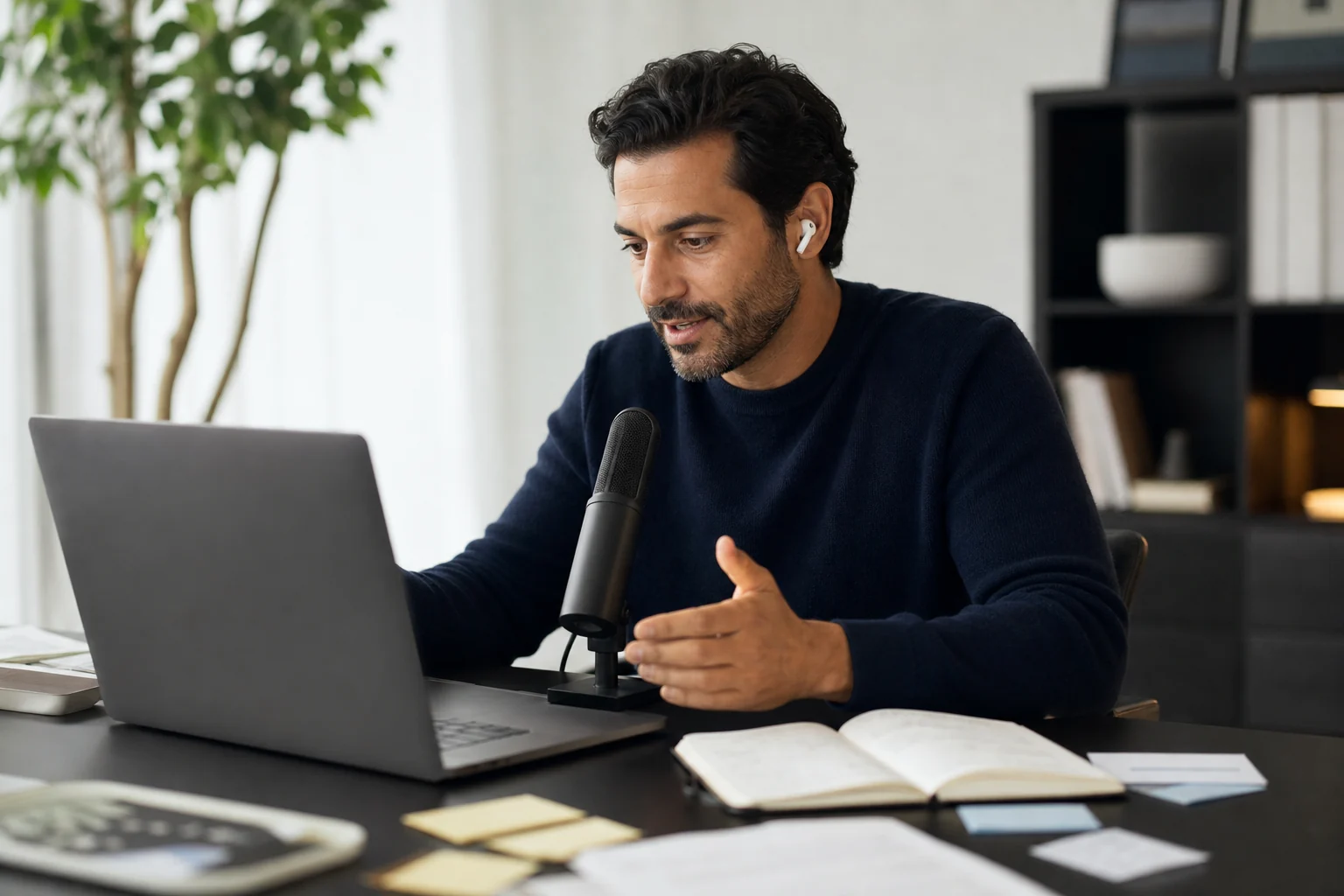
Imagine your next support ticket. Instead of starting a timer, you just start talking as you work.
“Okay, starting to debug the login issue on server-prod-03. Checking auth logs first. Grepping for user ID 12345.”
As you speak, the text flows directly into your Jira ticket, your text editor, or your internal wiki. You are not context-switching. You are not trying to hold details in your head to write down later. You are creating the final deliverable-the ticket, the log, the client update-in real time.
When you finish, the work is done. The documentation is done. The time is logged. There is no second pass. This is the fundamental shift. It turns documentation from a painful afterthought into a seamless part of the resolution itself.
See the workflow
Test the incident-to-ticket workflow
Run Superscribe during your next routine task. See how much detail you capture just by narrating your work, and how little cleanup is left for the end.
Beyond the timer: What to look for
When your main problem is the administrative drag of documentation, a simple timer is not enough. You need a tool built for a different job.
- Workflow integration: Does the tool force you into its own interface, or does it work inside the tools you already use? Superscribe works anywhere you can type. Your ticketing system, your IDE, your terminal.
- Low cognitive load: Does it require you to remember to start and stop something? Or does it capture work passively? The best tools fade into the background.
- Output quality: Does it give you raw data that needs more cleanup, or does it provide structured, usable text? The goal is to reduce cleanup, not create a new kind of it.
Toggl is a great timer. But if your pain is the work that comes after the timer stops, you are probably using the wrong tool for the job. You do not need a better way to track time. You need a better way to capture work.
Frequently Asked Questions
1. How does this work with technical jargon or system commands? Superscribe is built to handle technical language. It recognizes programming terms, system commands, and industry-specific acronyms far better than generic dictation tools. You see the output live, so you can make quick corrections if needed.
2. Will this slow down my system while I’m troubleshooting? No. The app is lightweight and processes audio in the background. It is designed to be a utility that runs alongside your primary tools without interfering with performance, even when you are running resource-intensive diagnostics.
3. Is this just a replacement for my OS’s built-in dictation? No. Standard dictation just turns speech to text. Superscribe combines high-accuracy, technical dictation with automatic time tracking and a workflow designed to capture work context. It is a complete system for turning spoken work into documented, billable output.
Stop writing tickets twice
Resolve your next incident in one pass
Capture the troubleshooting steps, client notes, and billable time as you work, not after. Finish the incident and have the documentation already 90% complete.