dictation for recruiters email
Dictation for recruiters email, without the usual cleanup mess
Superscribe is strongest when you need to turn talking into usable email before the details go cold.
Superscribe
Stop rebuilding work after the fact
Use Superscribe to capture the words, context, next steps, and time while the work is still happening.
The candidate call ends. You have five minutes before the next one. You open a blank email draft to the client, jot down a few words, then stop. The important details-the candidate’s exact phrasing, the slight hesitation on the salary question, the specific project they were most proud of-are already fading.
You tell yourself you will finish the email later. But “later” means the nuance is gone. What you eventually send is a summary based on cold notes, not the fresh context you had moments after the call. This is the core problem with using standard dictation for recruiters email workflows. They happen too late. The real work becomes reconstructing the conversation instead of communicating its value.
We built Superscribe to close that gap. It lets you capture your thoughts directly into an email draft, your ATS, or scorecard while the context is still hot. It is not about transcription. It is about turning your immediate thoughts into a finished asset before you switch tasks.
Try it on the real workflow
Turn the next spoken note into finished work
Use Superscribe while the context is still fresh. Speak naturally, keep working, and let the output land where it belongs.
The Real Cost of ‘I’ll Write It Later’
For high-volume recruiters, time is the most critical asset. The time between a call and updating the record is where value leaks out. Every minute you wait makes the follow-up email harder to write and less specific.
This delay creates three distinct problems:
- Loss of Detail: You forget the exact words a candidate used to describe their experience. You lose the tone of the conversation. Was their strength in “leading a team” or “managing a project”? The distinction matters to a client, but it is the first thing to fade from memory.
- Increased Admin Work: “Later” turns a five-minute dictation task into a 20-minute reconstruction project. You have to find your written notes, match them to the job description, and try to piece together a coherent narrative. This is low-value work that burns focus and time.
- Weaker Communication: The final email is less impactful. It becomes a generic summary instead of a sharp, detailed update that shows the client you truly understood the candidate. This is how great candidates get overlooked and how client trust erodes.
The goal is not to just get words on a page. The goal is to transfer the insight you gained on the call, and that insight has a short half-life.
A Better Way: Dictation for Recruiters Email in Real Time
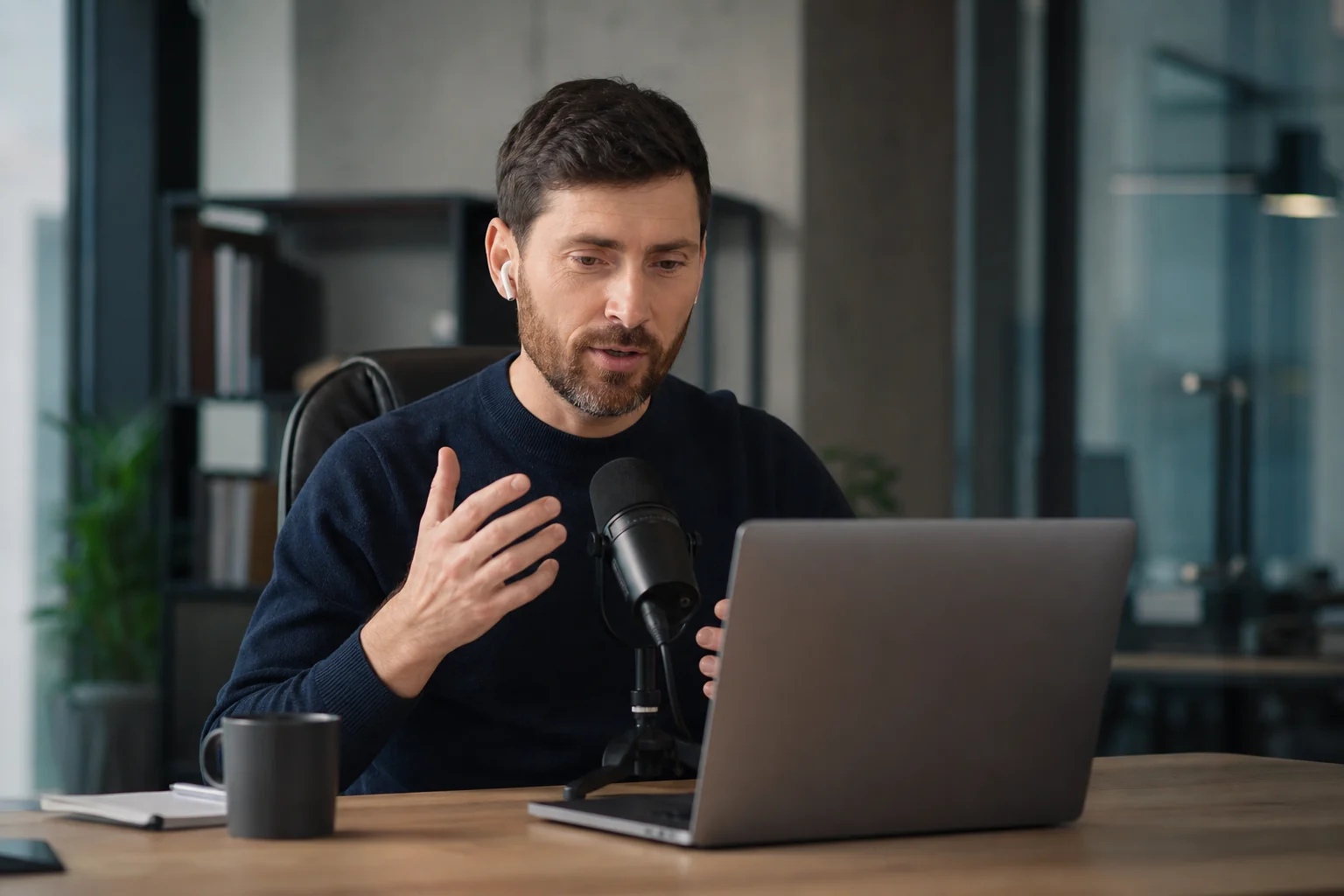
Imagine a different workflow. The call ends. You switch to your email client. You press a button and speak your thoughts directly into the body of the email.
“Client update on Jane Doe for the Senior PM role. She is a strong fit. Her experience with multi-stage product launches is exactly what we need. She asked about team structure and growth paths-I told her we would follow up. Next step is to send her the full benefits package and schedule a call with the hiring manager.”
The words appear on the screen, clean and formatted. The time you spent is automatically tracked. You hit send. The whole process takes two minutes. The context is captured. The task is done.
This is not a futuristic idea. This is how Superscribe works on your desktop right now. It gets the thoughts out of your head and into the workflow before they have a chance to disappear.
Get the workflow
Get the call follow-up checklist
A simple framework for turning post-call thoughts into client-ready emails and clean ATS notes, fast.
I Built This Because I Hate Rebuilding Work
This problem of losing context between doing the work and recording the work is not unique to recruiters. I built Superscribe because I had the same issue as a consultant.
I got tired of guessing my hours at the end of every month. I would look through emails, code, and random notes trying to remember what I actually did. The numbers were never right and I knew I was losing money. For you, the cost is not just lost time-it is potentially losing the perfect candidate because the details went cold.
A few years ago, I had an idea for an app that could automatically capture client calls. I gave up on it because the tech seemed too hard. But I kept building other voice tools, and each one taught me something new. When I added automatic time tracking to the main desktop app, I saw the missing piece. The problem was not just capturing calls. It was capturing the work around the calls.
The best proof came on a flight. I made normal business calls using my real phone number over the plane’s Wi-Fi. The calls were written down, cleaned up, turned into structured notes, and sent straight into my work system. That used to be just a wish. Now it is how the product works.
This is the tool I always wanted. You speak. Clean words appear right in the app you are using. The time, notes, and next steps happen by themselves in the background. No timers. No guessing. Just good work that gets counted and communicated correctly.
Your New Follow-Up Workflow
Let’s make this practical. Here is how you can use Superscribe to handle email follow-up after your next candidate screen.
- Finish the Call: End the Zoom or phone call as you normally would.
- Open Your Email Client: Create a new message to the hiring manager or for your own records.
- Activate Superscribe: Use a simple keyboard shortcut to start dictation.
- Speak Your Summary: Talk conversationally. State your main takeaways, candidate strengths, any red flags, and next steps. Do not worry about perfect grammar-just get the ideas out.
- Edit and Send: Superscribe will type your words into the email body. Take 30 seconds to read it over, make any small tweaks, and hit send.
The entire process moves from a postponed 20-minute task to an immediate 2-minute action. The candidate notes in your ATS become richer, your client updates are faster, and you free up your mind to focus on the next call.
Test this exact workflow
Open your next follow-up email and dictate it
The best way to see the difference is to try it on real work. Use your free minutes to capture the notes from your very next call.
Frequently Asked Questions
How is this different from the free dictation on my computer? Standard dictation tools are built for simple text messages. Superscribe is built for professional workflows. It is faster, more accurate with professional terms, and connects to automatic time tracking, which system tools do not. It is designed to run in the background without getting in your way.
Does it work with my specific ATS or email client? Yes. Superscribe works anywhere you can type. If you can click into a text box in your ATS, email, or a notes app, you can dictate into it. There is no special integration needed.
Is it accurate enough for important client emails? The AI we use is world-class. However, no dictation is 100% perfect. The workflow we recommend is to speak your thoughts, then take a few seconds to proofread and make minor edits. This is still dramatically faster and more accurate than writing from memory an hour later.